
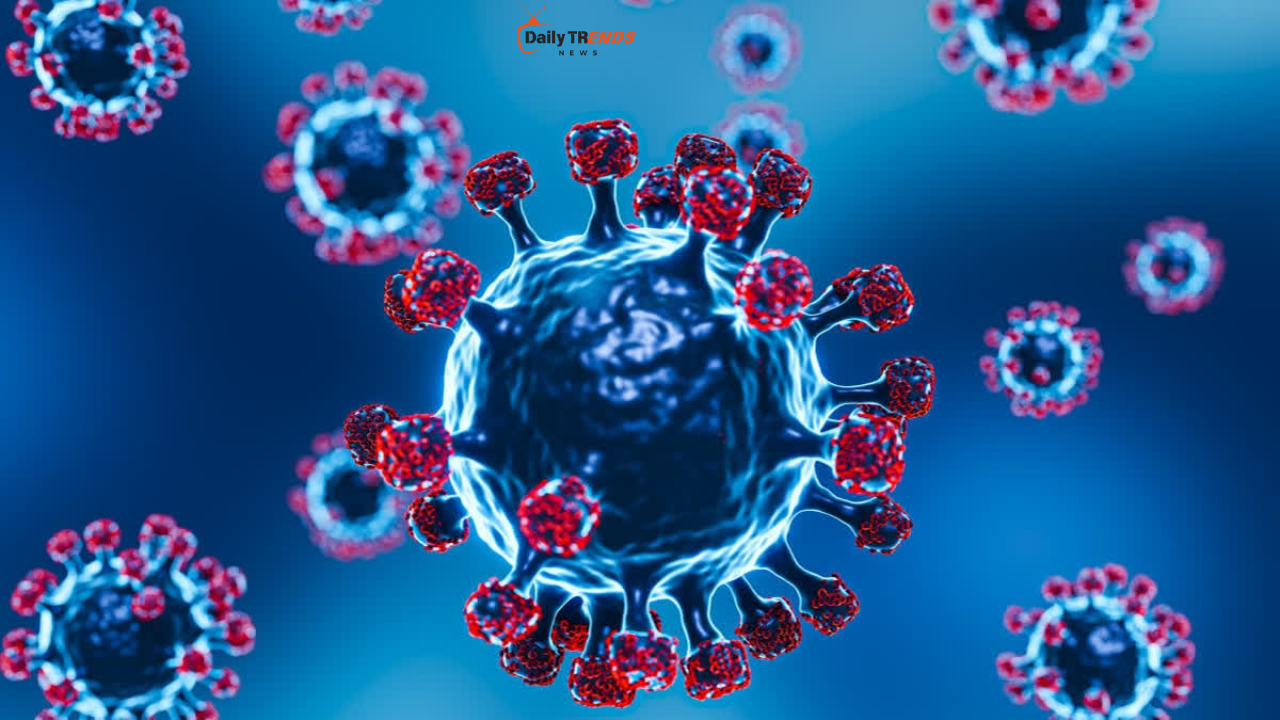
COVID-19 cases are rising again in parts of Asia, including Singapore, Hong Kong, Thailand, and China. The growing numbers have caught global attention, reminding people of how the virus first spread five years ago. Back then, it suddenly appeared, caused major health crises, shut down economies, and took many lives. Now, with cases increasing again, there is concern about how countries will handle this new wave.
Recent Surge in COVID-19 Cases in Singapore and Hong Kong
A resurgence of COVID-19 infections is currently being witnessed across several Asian nations, with Singapore and Hong Kong recording the most significant increases. Governments in China and Thailand have also reported growing numbers of COVID-19 cases, prompting heightened surveillance and public health measures.
In Hong Kong, the situation has escalated to the point where the Centre for Health Protection has issued a public alert. Health officials report that the city is experiencing its highest number of positive COVID-19 cases in the past year. Tragically, this surge has led to the deaths of 31 individuals within a single week.
Albert Au, head of the Communicable Disease Branch, stated that the infection rate is reaching concerning levels, marking one of the steepest increases seen since the pandemic began. His remarks underline the severity of the ongoing wave and the urgency of reinforcing public awareness and preventative measures.
This new wave has not spared the public spotlight either. Among those recently infected is renowned Hong Kong singer Eason Chan, whose diagnosis has drawn further attention to the renewed threat of the virus.
The Singapore situation
Singapore is also witnessing a rise in COVID-19 cases, leading to growing public concern. While health officials have clarified that the current surge is not driven by a new variant, anxiety remains high. Authorities have urged elderly citizens and those with weakened immune systems to get their booster shots as a precaution. The government continues to monitor the situation closely, encouraging calm and responsible action from the public.
Current Situation: Reported Case Numbers and Public Health Response
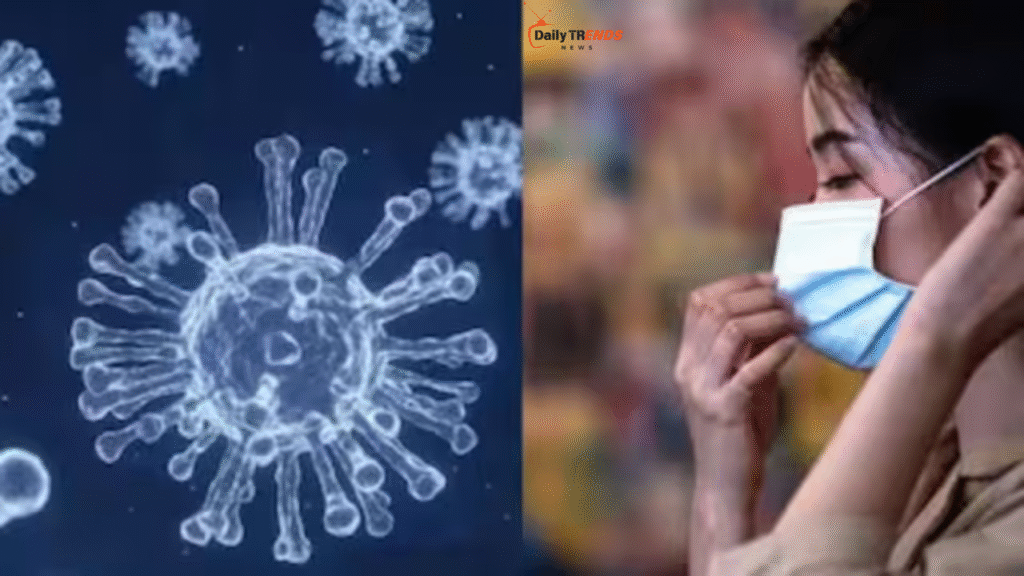
Singapore’s Ministry of Health recorded close to 14,200 COVID-19 cases last week, reflecting a significant 28% rise compared to earlier figures. Hospitals are also facing pressure, with a 30% increase in patient admissions, raising concerns about healthcare capacity. These developments have triggered a sense of panic among the general public. At the same time, Hong Kong is experiencing a similar surge, reporting case numbers not seen in the past two years, intensifying regional concerns.
Background: The Global Journey of COVID-19
COVID-19 first appeared in Wuhan, China, in December 2019, when doctors noticed a group of pneumonia cases caused by a new coronavirus, later named SARS-CoV-2. By January 2020, the virus had reached other countries, and on January 30 the World Health Organization (WHO) declared it a global health emergency. Two months later, on March 11, 2020, WHO officially labeled COVID-19 a pandemic.
The virus spreads mainly through droplets when an infected person coughs, sneezes, or talks. Common early signs include fever, cough, and loss of smell or taste; in serious cases, it can lead to severe breathing problems. Hospitals everywhere struggled with shortages of beds, ventilators, and protective gear.
To slow transmission, governments worldwide imposed measures such as lockdowns, travel bans, school closures, and mask rules. These steps disrupted trade and sent economies into downturns, with many businesses closing and job losses soaring.
At the same time, scientists worked at unprecedented speed to create vaccines. After decoding the virus’s genetic code in January 2020, mRNA vaccines from Pfizer-BioNTech and Moderna received emergency approval by December. Other vaccine types followed soon after. Starting in early 2021, mass vaccination campaigns helped bring down hospitalizations and deaths. Despite new variants emerging, vaccines remain the key defense against COVID-19, alongside continued public health efforts.
Conclusion: Navigating the Ongoing Pandemic
At present, the exact factors driving this resurgence remain unclear. Health experts need to identify the underlying causes and implement strategies to limit transmission and minimize further harm. Authorities should strengthen testing, contact tracing, and surveillance systems to detect outbreaks early. Public health campaigns must reinforce hygiene practices and social distancing. Additionally, booster vaccinations should be given to vulnerable groups and those with low immunity. Deployment of these measures will be critical to control the spread and protect communities.
You may also like to read – India Pakistan Conflict: A Global View
Thanks for reading.