
Is China backing Pakistan in its terror-related activities?
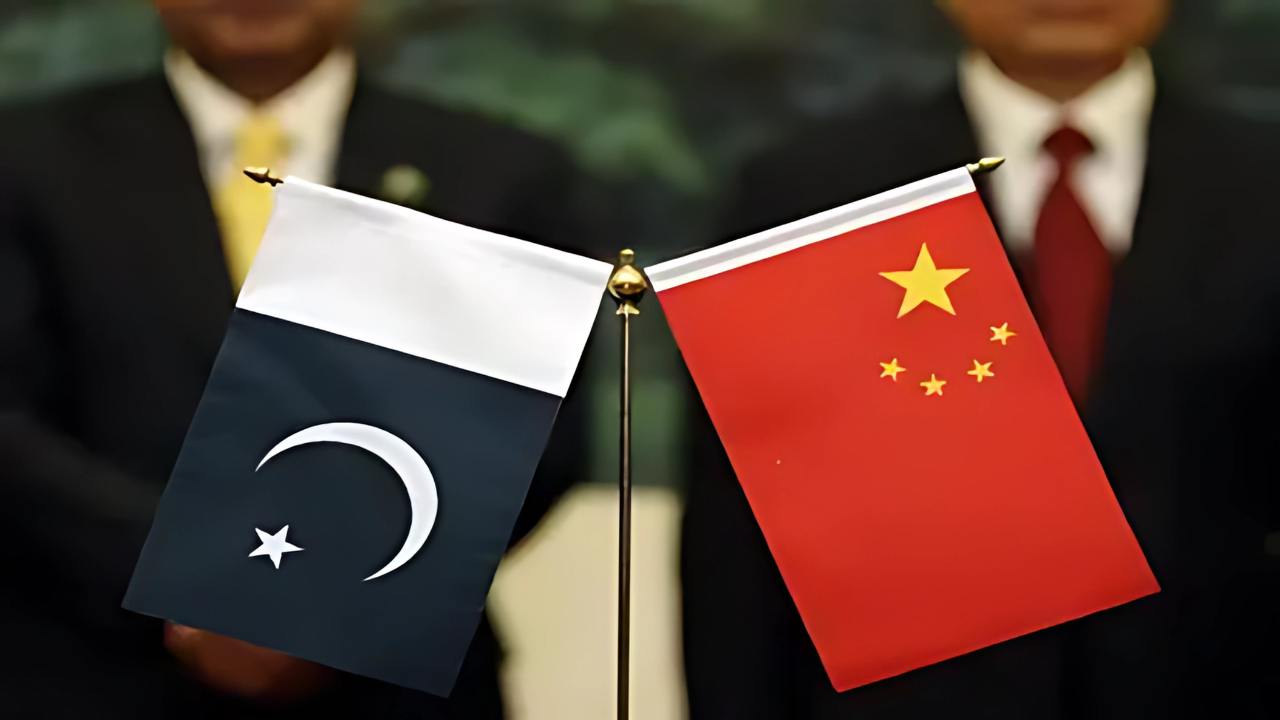
Amid escalating tensions between India and Pakistan, multiple reports have surfaced alleging China’s involvement in backing and funding Pakistan’s terror-related activities. These allegations emerge in the aftermath of a recently agreed ceasefire along the border. Chinese Foreign Minister Mr. Wang Yi’s reference to Pakistan as China’s “iron-clad friend” further underscores Beijing’s continued support for Islamabad.
China Claims Neutrality, But Quietly Backs Pakistan Amid India-Pak Tensions
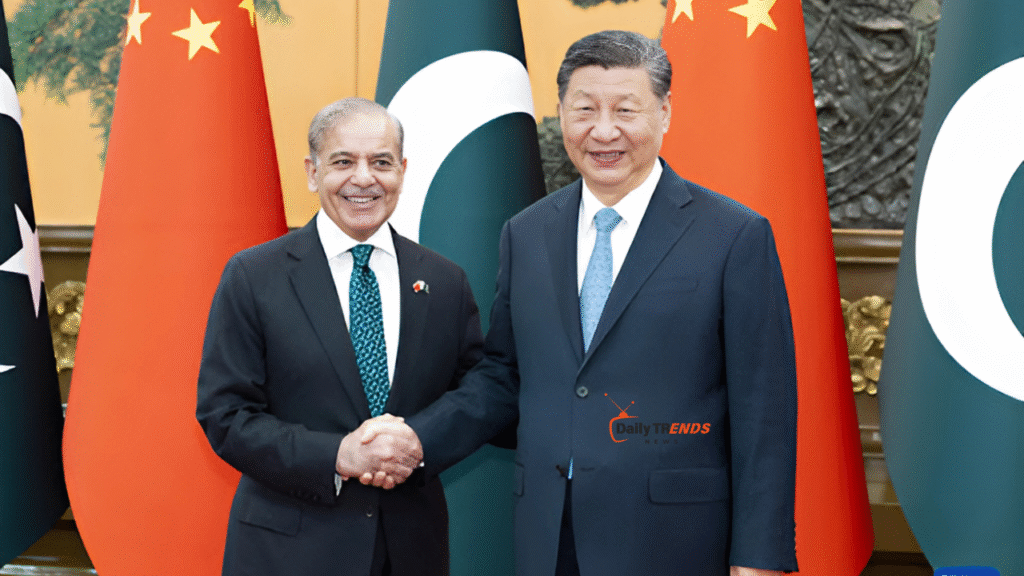
In the recent India-Pakistan conflict over Kashmir, China has publicly called for peace and restraint. However, its careful silence on key issues shows it may be quietly supporting Pakistan, especially when it comes to terrorism.
The clash began after a deadly terror attack in Pahalgam killed 26 civilians. India responded with a missile strike on terror camps in Pakistan-occupied Kashmir. Pakistan then launched counterattacks on Indian air bases. While many countries condemned terrorism, China avoided directly blaming Pakistan or the groups operating from its territory.
China said it “regrets” the violence and asked both sides to calm down, but it focused more on India’s response than on the terror attack itself. It also did not name or criticize the terror groups behind the Pahalgam attack. This has raised serious questions about China’s intentions.
Many experts believe China’s silence is not accidental. China has a strong friendship with Pakistan and has invested billions in the China-Pakistan Economic Corridor (CPEC), which goes through disputed Kashmir territory. Because of this, China often defends Pakistan at the international level, even when it comes to terrorism.
Some Indian officials and analysts suggest China’s quiet support may go further. By refusing to pressure Pakistan on terrorism, China is indirectly helping it. This silence, they argue, is a form of backing.
While China presents itself as neutral, its actions show otherwise. By ignoring Pakistan’s role in terrorism and focusing the blame on India, China appears to be shielding its “iron brother,” Pakistan. This raises serious concerns for regional peace and India’s fight against cross-border terrorism.
India and China border issues
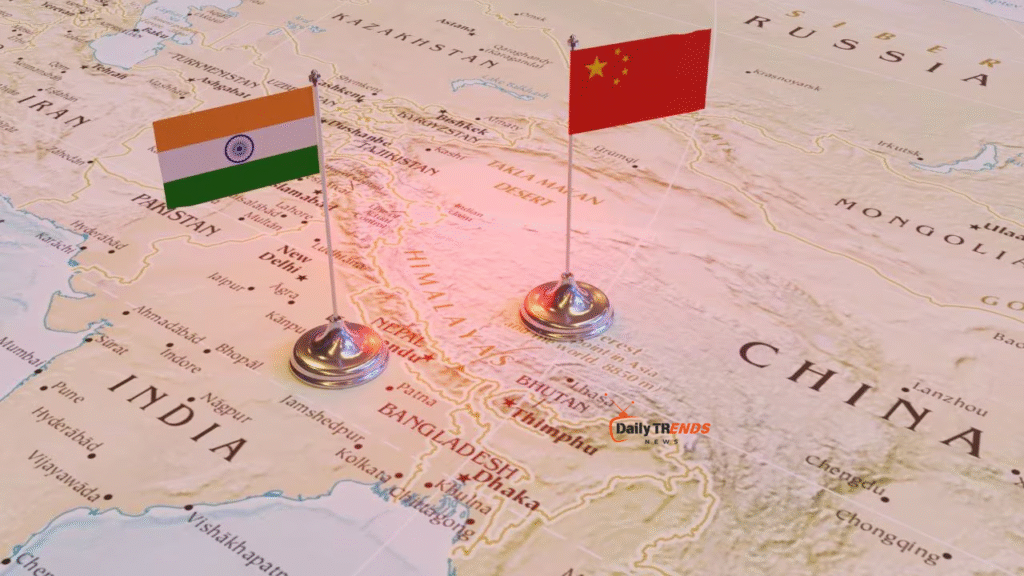
Similar to Pakistan, China also has a history of cross-border tensions with India. The Himalayan boundary, stretching over 3,400 kilometers, has been a source of conflict for decades. Although the two countries fought a brief war in 1962, tensions have continued to simmer, erupting into serious standoffs in recent years. The main points of dispute lie in Aksai Chin, controlled by China but claimed by India, and Arunachal Pradesh, controlled by India but claimed by China. These disagreements have led to repeated military face-offs, including Doklam in 2017, where Indian troops stopped China from constructing a road in Bhutanese territory, and the deadly Galwan Valley clash in 2020, which resulted in casualties on both sides—the first such deaths in 45 years.
Tensed Chinese Economy
With recent high tariffs imposed by US President Donald Trump on China, some going as high as 145% Chinese economy is in a critical situation. Many manufacturing units are considering a location change, with India coming out as a great alternative.
With exports to the U.S. dropping by 21% in April 2025, Chinese factories are feeling the pressure. Many have had to shut down or lay off workers, especially in industrial provinces like Zhejiang and Hunan, where unrest and protests are now on the rise. For many international companies, the situation has become too risky. They’re not just dealing with higher costs—they’re also worried about future instability in U.S.-China relations. As a result, there’s a major shift underway, with businesses moving their manufacturing out of China.
And among the countries stepping in to fill the gap, India is quickly becoming the top choice. With its huge labor force, competitive wages, and government support through initiatives like ‘Make in India,’ the country is turning into a magnet for global firms. Big players like Apple, Foxconn, and Samsung are already investing heavily in India, setting up new factories and expanding operations. While countries like Vietnam and Mexico are also seeing growth, India stands out because of its growing domestic market, improving infrastructure, and stable political climate. This shift is changing the global supply chain, weakening China’s grip on manufacturing, and putting India in a strong position for the future. The Chinese government is trying to soften the blow with economic support measures, but it’s clear that companies around the world are rethinking their long-term strategies—and many are betting big on India
This leads to the understanding of why China could be involved in targeting India and disturbing its internal security.
China-Pakistan relations
China has always been associated with Pakistan, providing it with loans and weapons. One of the most significant ways China supports Pakistan is through strong political and diplomatic backing, especially in international organizations like the United Nations. While China and Pakistan enjoy economic and military ties, it’s this political support that often shields Pakistan from global pressure, especially on sensitive issues like terrorism and regional conflicts.
A key example is China’s consistent support for Pakistan on the Kashmir issue. Whenever tensions flare between India and Pakistan over Kashmir, China often sides with Pakistan’s stance or calls for international intervention—something Pakistan welcomes, but India rejects. China’s support gives Pakistan a stronger voice in international debates and helps it resist pressure from rivals like India.
But the most controversial part of China’s political support has been its actions at the United Nations Security Council (UNSC) to block international attempts to sanction certain individuals linked to terrorism. Some of these individuals are believed to operate from Pakistan and are connected to organizations like Jaish-e-Mohammed (JeM) and Lashkar-e-Taiba (LeT)—groups accused of carrying out deadly attacks, including the 2008 Mumbai attacks and the 2019 Pulwama bombing. For several years, China used its veto power at the UNSC to block efforts to list Masood Azhar, the leader of JeM, as a global terrorist. Despite strong evidence and support from countries like India, the U.S., and France, China claimed there wasn’t enough proof. Many analysts believe this was less about evidence and more about protecting a close ally(Pakistan). Although China eventually allowed Azhar to be listed in 2019, its long resistance drew heavy criticism.
This kind of political shielding has helped Pakistan avoid sanctions and maintain global relationships, even when facing serious accusations. For China, supporting Pakistan in this way strengthens their strategic partnership and helps counterbalance India’s growing influence in the region.
China Eyes Opportunity Amid India-Pakistan Tension?
Allegedly, Chinese Intelligence has been involved in gathering information about India’s defence system and closely monitoring India’s Plan of Action. China sold various Military equipment to Pakistan, which have been used in the recent clashes against India.
Pakistan has publicly claimed that it successfully shot down two Indian fighter jets using Chinese-made J-10 aircraft, including one advanced French-made Rafale jet. However, these claims have not been independently verified or confirmed by the Indian government. India has denied that any of its jets were shot down, and there is currently no clear evidence to support Pakistan’s statement.
Despite the uncertainty, this reported air conflict has caught the attention of China. As Pakistan’s close military ally and India’s strategic rival, China is watching the situation very closely. Experts believe China sees this as a valuable opportunity to gain intelligence and assess the performance of its own defence equipment, especially the J-10 fighter jets used by Pakistan. If the Pakistani claims are accurate, it could give China confidence that its aircraft can compete with Western-made jets like the Rafale in real combat situations.
In addition to watching the air conflict, China is also believed to be gathering intelligence in other ways. Its vast satellite network, which is second only to that of the United States, may be tracking military movements across northern India. China has also been sending more research and fishing vessels near Indian naval activity zones—some of which are thought to serve dual roles as unofficial naval intelligence ships. These ships could be collecting data on Indian maritime strategies and fleet movements.
They have shared strong military ties for decades, and China supplies Pakistan with a significant amount of military hardware. This relationship means China could be receiving detailed feedback on how its equipment is performing under real-world battle conditions, even if India denies any losses.
While Indian officials have not made strong statements regarding China’s potential involvement or intelligence-gathering, they have emphasized the importance of diplomacy and regional stability. India remains focused on preventing further escalation and maintaining peace in the region.
As of now, the actual events in the sky remain disputed, and no official proof has been provided by either side to confirm the downing of jets. Still, the geopolitical ripples from this standoff are being felt across the region, and China is leveraging its position to take notes.
While these are currently just speculations, there are growing reports suggesting that China might have a deeper involvement in the India vs Pakistan situation than what appears on the surface. Although unconfirmed, such claims cannot be entirely dismissed. India remains steadfast in upholding its sovereign integrity and is fully committed to safeguarding its internal security, regardless of any adversary’s covert or hostile actions.
You may read:
- India-Pakistan agree to ceasefire: Foreign Secretary
- Massive Turnout of Volunteers Responds to Chandigarh Authority’s Civil Defence Training Drive
If you think this blog is informative, then don’t forget to share this with your friends and family. Thanks for reading this blog.
6 thoughts on “Is China supporting Pakistan-backed terrorist attacks in Pahalgam?”