
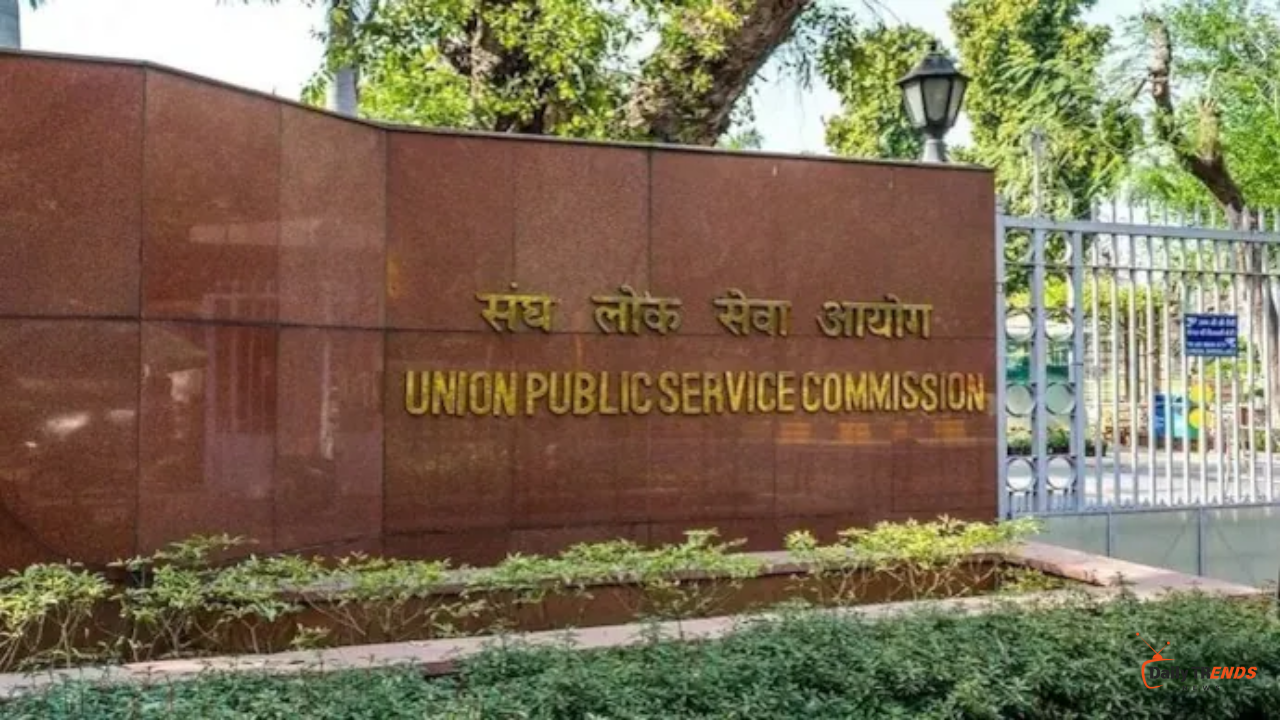
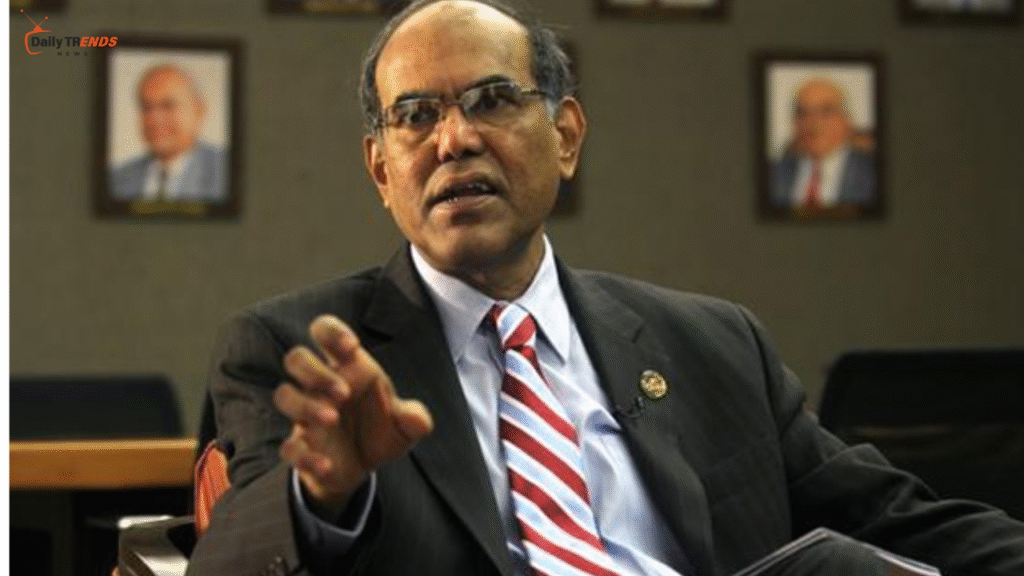
In the opinion column of TOI, Duvvuri Subbarao has suggested some reforms in the UPSC Civil Services Exam recruitment system. The former RBI governor gave his opinion in the columns of The Times of India on Wednesday. In his piece, he has suggested two major reforms to the recruitment system: lowering the age limit and reducing the number of attempts an aspirant gets.
The suggested reforms in the UPSC Civil Services Exam
The former RBI governor, while congratulating the candidates who succeeded in the 2024 UPSC CSE exam, deliberated on some changes that UPSC should make. Subbarao highlighted how so many aspirants, who keep on giving the exam again and again in the hope of getting selected next year, waste their potential. After exhausting all their attempts, they find themselves in an abysmal situation as they didn’t do anything productive in their prime years. So, he wants UPSC to bring a solution to this situation.
Lower the upper-age limit
He suggested that the upper-age limit, which is 32 at present for the general category, should be lowered to 27, so that aspirants who couldn’t clear the exam within that duration have some scope of entering other professions and establishing themselves elsewhere, if not in the UPSC.
Reduce the total number of attempts
In his opinion, he added that the number of attempts for an individual should be reduced, giving the example of his time. He said that there used to be just 2 attempts, and the age criterion was a strict 21–24 years, which, as compared to now, was very harsh. Currently, general category individuals get 6 attempts and up to an age limit of 32 years, which, he feels, needs to be reduced and brought down to a maximum of three attempts and an age limit of 27 years.
Entry for experienced professionals
He also insisted on mid-level entry for experienced professionals for the post of Indian Administrative Services (IAS). He said that individuals who are in the age bracket of 40–42 years and have good experience in their relevant fields should be given an opportunity to serve in the IAS. These individuals should be recruited through a mid-level competitive entry conducted by the UPSC. He also added that young individuals being recruited at 23–24 years of age lack real-world experience, which these professionals will bring to the table, thereby helping in diversifying the service.
How he believes these reforms will help aspirants break free from the trap
He mentions how UPSC makes aspirants fall into the sunk cost fallacy, in which they believe—after giving so many years to this exam—that if they quit now, those years would have been wasted. This compels them to go for further attempts, hoping to clear it this time. But individuals who are not suited for the service will keep getting rejected, and once they exhaust all attempts, time is gone. They have reached nowhere and now find themselves stuck. This happens due to their continuous chase of a near-impossible goal during their prime productive years.
By implementing these reforms, individuals will have a defined age criterion and a limited number of attempts to crack the exam. If they still don’t qualify within this framework, they can look for other opportunities, which will prevent them from lagging behind in this competitive world.
With this statement, he asked the government to look into this matter and bring the required reforms—to give everyone an equal chance to be a part of these services, but also to ensure that individuals do not dedicate their whole lives to a single exam.
You may also like to read
Geeta Samota becomes First CISF personnel to conquer Mount Everest
Thanks for reading!