
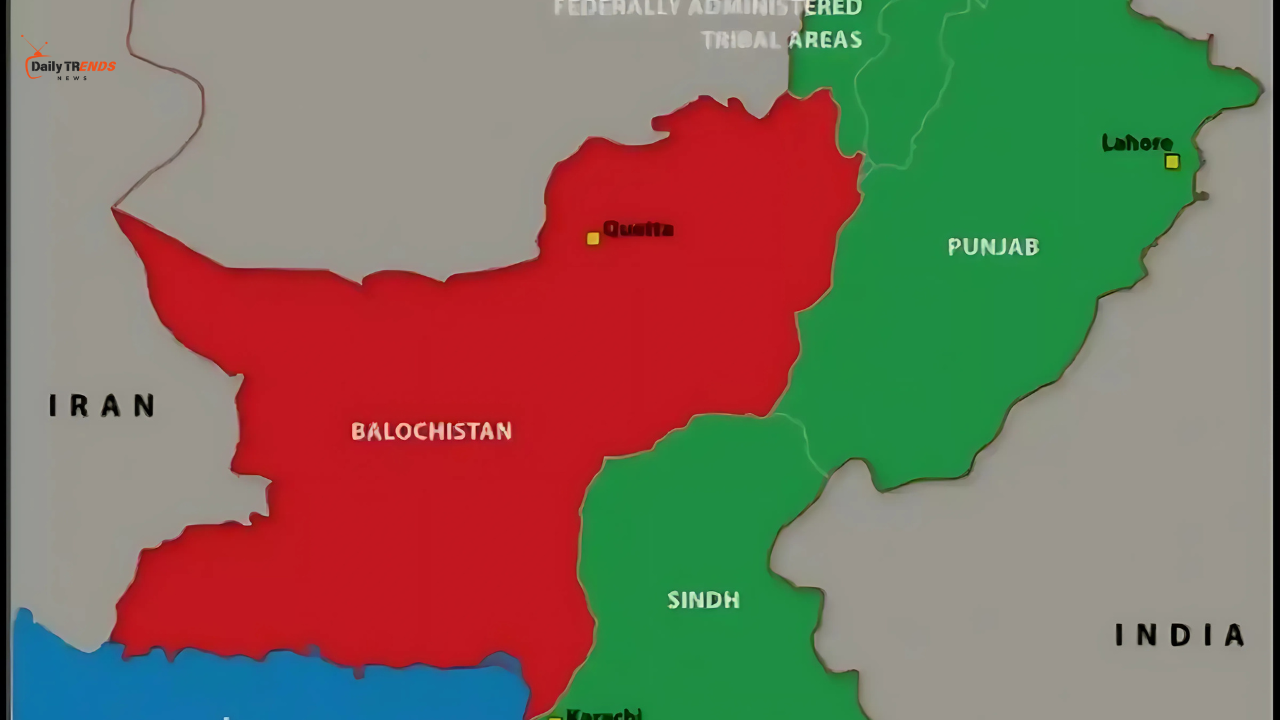
Baloch leader Mir Yar Baloch in multiple posts on X.com declared on Wednesday that Balochistan is not a part of Pakistan, asserting that it has remained an occupied territory since 1948. He urged both India and the United Nations to formally recognize Balochistan as an independent state, emphasizing the region’s long-standing demand for sovereignty.
Balochistan Leader Declares Independence from Pakistan in Historic Move
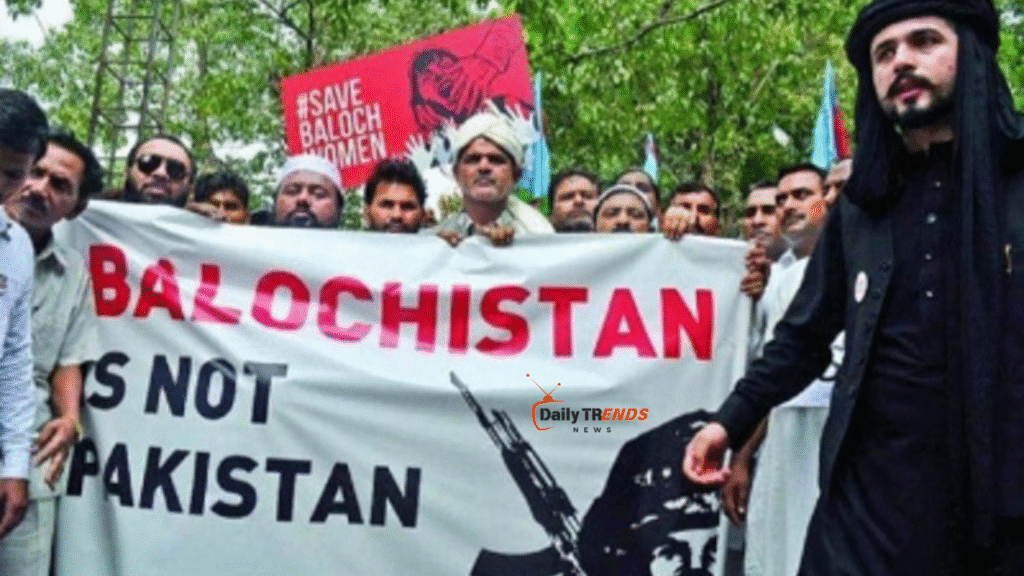
Baloch nationalist leader took to social media to formally declare Balochistan’s independence from Pakistan. The leader stated that Balochistan has been an independent nation since 1947, when the British exited the Indian subcontinent, but was forcibly annexed by Pakistan in 1948.
The leader took to social media to urge the media and Indian patriots not to refer to Baloch people as Pakistanis, stating that Pakistan has never seen them as its own. He emphasized that the Baloch identity has been systematically suppressed, and decades of resistance have gone unheard by the Pakistani state.
The leader also issued a direct appeal to the United Nations and the Indian government, urging them to recognize Balochistan as a sovereign and independent state. Citing continued military operations, political marginalization, and economic exploitation in the region, he argued that international recognition is now essential for peace and justice.
The declaration sparked widespread attention online, with hashtags like #RepublicOfBalochistan, #FreeBalochistan, and #BalochistanIndependence trending on social media platforms. As of now, there has been no official response from Islamabad, but the statement marks a significant escalation in the Baloch freedom movement.
Balochistan’s Bid for Freedom Shakes South Asia
The Balochistan Liberation Army (BLA) has consistently advocated for Balochistan’s freedom, intensifying its efforts through Operation Herof 2.0, targeting what it calls the oppressive regime of Pakistan. This armed campaign reflects growing resistance against decades of marginalization.
The BLA claimed responsibility for 71 attacks carried out at 51 different locations across Pakistan under this operation. The group said the attacks took place in areas including Kech, Panjgur, Mastung, Quetta, Zamuran, Tolangi, Kuluki, and Nushki. According to their statement, the operation involved IED blasts, targeted killings of Pakistani soldiers, and sniper attacks.
The BLA also rejected all recent statements from the Pakistani government, calling them completely false. They said that any talk of peace or ceasefire is misleading and only meant to hide their true intentions and suggested that India not to take their peace talk seriously. The group said this series of attacks was a response to increased army actions in the region and warned that such operations will continue if their demands are not addressed.
This is one of the most widespread and organized actions claimed by the group in recent years. The BLA added that they will keep fighting until they achieve their political goals and called on the international community to take notice of the situation.
Real issues of Baloch
There are a lot of issues here. You can watch the embedded video for a more detailed answer.
What the Baloch leader said in their Independence message
The Baloch leader openly voiced his opposition to Pakistan, strongly siding with India during the recent India-Pakistan conflict. In his statements, he repeatedly urged the public and media not to associate his people with Pakistan, insisting that they have no connection to a country that has never accepted them as its own.
Baloch Narrative !!
— Mir Yar Baloch (@miryar_baloch) May 14, 2025
Dear Indians patriot media, the youtube comrades, the intellectuals fighting to defend Bharat are suggested not to refer to Balochs as "Pakistan's Own People"
We are not Pakistani, we are Balochistani.
Pakistan's own people are the Punjabi who never faced…
How Did We Get Here? The Road to Balochistan’s Independence
Decades of Conflict, Repression, and Resistance Explained
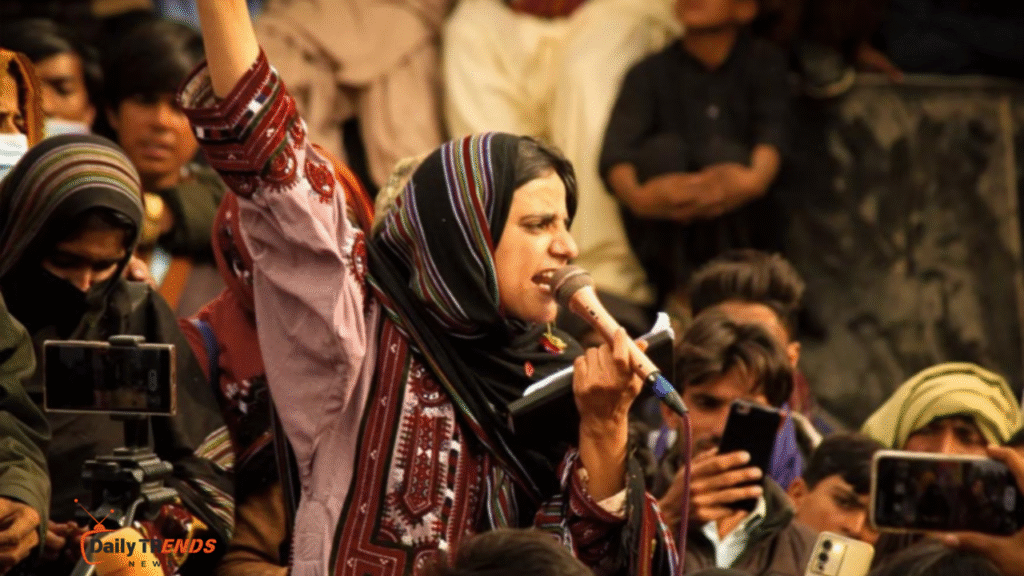
Balochistan has faced ongoing conflict and unrest ever since it became part of Pakistan in 1948. Many people in the region, especially Baloch nationalists, have demanded more rights, control over local resources, and sometimes full independence. The first signs of resistance began soon after independence, involving leaders from areas like Kalat. In 1958, tensions grew again when martial law was declared in Pakistan. Another short conflict followed in 1962. One of the biggest uprisings happened between 1973 and 1977, when the Pakistani army carried out a major operation against rebel fighters. Since 2003, the situation has remained tense, with groups like the Balochistan Liberation Army (BLA) launching attacks against the state. These long-standing issues have led to a continued struggle between the region and the central government.
Thanks for reading!!
You may also like to read-